Professional Negligence Claims Against Surveyors: Expert Witness Guidance
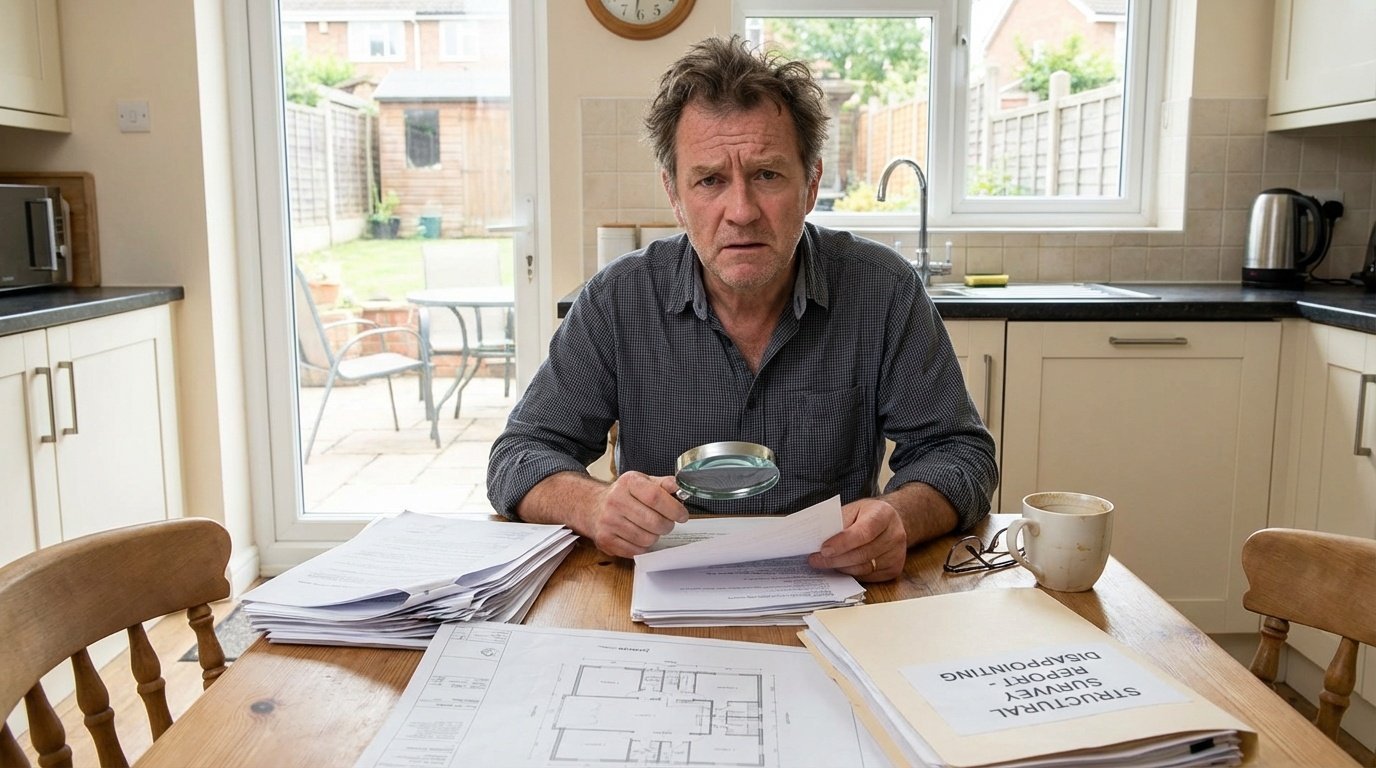
Professional negligence claims against surveyors arise when property professionals fail to exercise reasonable skill and care in providing surveying services, causing financial loss to clients. Expert witness RICS chartered surveyors play a crucial role in establishing the standard of care expected, demonstrating breach of duty, and quantifying damages in surveyor negligence litigation. Understanding professional negligence principles and the expert evidence required to prove or defend such claims is essential for surveyors, legal professionals, and property clients navigating this complex area.
Elements of Surveyor Professional Negligence
Professional negligence claims in surveying must establish four essential legal elements to succeed. First, claimants must prove the existence of a duty of care owed by the surveyor to the claimant. Second, evidence must demonstrate breach of that duty through failure to meet the required standard of professional competence. Third, causation must be established showing that the breach caused the loss complained of. Finally, claimants must prove and quantify actual financial damage resulting from the breach.
Each element requires expert evidence from RICS accredited expert witnesses who can explain professional standards applicable to surveyors, assess whether the defendant's conduct fell below those standards, and assist courts in understanding complex causation and quantum issues. The burden of proof rests on claimants who must establish all four elements on the balance of probabilities.
Duty of Care in Surveying Relationships
Surveyors owe professional duties of care to clients who retain their services under contract. The scope of duty depends on the specific instructions accepted and the type of survey or service agreed. A Level 2 HomeBuyer Survey imposes different obligations than a comprehensive Level 3 Building Survey, and expert evidence must evaluate the surveyor's performance against the duty actually undertaken rather than some higher standard.
Professional duties may extend beyond the immediate client in limited circumstances. Lenders relying on mortgage valuation reports may have claims against valuers despite no direct contractual relationship. Third parties intended to rely on survey reports may establish duty of care through assumption of responsibility principles. Expert witnesses must analyze duty scope carefully, as this defines the baseline against which breach allegations are assessed.
Standard of Care and Breach Assessment
The Bolam Test and Professional Standards
The standard of care required of professional surveyors follows the Bolam principle: a professional is not negligent if acting in accordance with a practice accepted as proper by a responsible body of professional opinion, even if other professionals adopt different practices. This does not mean any practice automatically escapes negligence merely because some professionals follow it, but courts respect legitimate differences in professional opinion and methodology.
RICS practice statements, guidance notes, and professional standards define expected competence levels for chartered surveyors. The RICS Home Survey Standard, RICS Valuation – Global Standards (Red Book), and various technical standards establish benchmarks against which surveyor conduct is measured. Expert witnesses must demonstrate thorough knowledge of applicable professional standards and explain how defendant surveyors' conduct compared to those standards.
Common Areas of Surveyor Negligence
Valuation negligence represents a frequent claim category, arising when surveyors significantly overvalue or undervalue properties, causing clients to pay excessive prices, accept inadequate offers, or lenders to advance inappropriate loans. Material valuation errors outside acceptable margins may constitute negligence, requiring expert evidence establishing correct valuation at the relevant date and demonstrating the defendant's valuation fell outside the reasonable range.
Failure to identify or report significant defects in property condition surveys causes substantial losses when purchasers acquire properties with undisclosed defects requiring expensive remediation. Expert evidence must establish whether defects were reasonably discoverable given the survey scope, industry standards, and circumstances. Not every defect missed constitutes negligence—experts must evaluate what a reasonably competent surveyor should have observed and reported given the instructions accepted.
Inadequate inspection methodology, such as failing to inspect roof spaces, inadequate examination of accessible areas, or insufficient investigation of suspicious signs suggesting hidden defects, may constitute negligence even if specific defects were not observable. Experts assess whether investigation extent met professional standards for the survey type instructed.
Negligent advice on building regulations compliance, planning matters, structural adequacy, or remedial works required can result in clients incurring unnecessary costs or failing to identify necessary expenditure. Experts evaluate whether advice provided fell below the standard reasonably expected of competent professionals with relevant expertise. When surveyors venture opinions beyond their competence without appropriate disclaimers or specialist referrals, this may constitute negligence.
Causation and Loss Quantification
Establishing Causation Links
Proving negligence occurred is insufficient without establishing that the negligent conduct caused the loss claimed. Causation requires demonstrating that "but for" the surveyor's negligence, the claimant would not have suffered the loss. This counterfactual analysis asks what would have occurred if the surveyor had provided competent service.
In valuation negligence, causation analysis asks whether the client would have proceeded with the transaction at the correct valuation. If a purchaser would have proceeded anyway despite accurate valuation, perhaps negotiating a lower price equal to the overvaluation, then only opportunity cost losses flow from the negligence rather than the full overpayment. Expert evidence on transactional causation assists courts in determining these counterfactual scenarios.
For building defect cases, causation requires showing that competent reporting would have identified defects, allowing the claimant to avoid purchase, renegotiate price, or make informed decisions about remedial costs. Where purchasers would have proceeded regardless after price negotiation, damages reflect the price reduction that would have been achieved rather than full repair costs.
Measure of Damages
Damages in surveyor negligence aim to place claimants in the position they would have occupied but for the negligence. The appropriate measure depends on whether claimants seek to be put in the position of not having entered the transaction, or having entered it properly informed.
For significant negligence where clients would not have proceeded if properly advised, damages may include the difference between purchase price paid and actual market value at purchase, costs of remedial works not anticipated due to negligent survey, diminution in property value even after repairs if full restoration impossible, wasted transaction costs including legal fees, survey fees, and moving costs, and consequential losses such as temporary accommodation costs during repairs.
When clients would have proceeded with accurate information but negotiated price reductions, damages typically equal the price reduction achievable through negotiation, often approximating repair costs but sometimes higher or lower depending on negotiating dynamics and market conditions. Expert evidence assists courts in determining hypothetical negotiation outcomes.
Mitigation and Contributory Negligence
Claimants have duties to mitigate losses reasonably. Failure to undertake reasonable remedial works promptly when defects are discovered may limit recoverable damages. Unnecessarily expensive repair approaches when cheaper adequate alternatives exist may reduce damages to the reasonable cost of appropriate repairs. Expert evidence evaluates whether claimants' responses to discovering defects were reasonable and cost-effective.
Contributory negligence may reduce damages where claimants' own conduct contributed to losses. For example, if obvious major defects should have been apparent to any purchaser regardless of survey quality, claimants may bear partial responsibility for proceeding with purchase. Similarly, failure to follow up on qualified statements in reports or ignoring clear advice may constitute contributory negligence reducing damages proportionately.
Expert Evidence in Professional Negligence Cases
Establishing the Standard of Care
Expert witnesses must clearly articulate the standard of care applicable to the defendant surveyor's instructions. This requires detailed knowledge of RICS standards, professional guidance, and industry practice at the relevant time. Standards evolve, so experts must evaluate conduct against standards prevailing when services were provided rather than current standards.
Explaining the standard involves describing what a reasonably competent surveyor should have done in the circumstances, including inspection methodology, reporting content, qualifications and limitations, and advice quality. Experts should reference authoritative sources including RICS guidance, relevant case law establishing practice standards, textbooks and technical literature, and established industry practices.
Assessing Breach of Duty
After establishing the standard, experts must evaluate whether the defendant's conduct fell below it. This assessment requires careful analysis of what the surveyor actually did, comparison against the established standard, and explanation of any significant shortfalls. Experts should acknowledge areas where conduct met standards while highlighting material failures.
Avoid the temptation toward Monday-morning quarterbacking—assessing conduct with hindsight knowledge unavailable at the time. Experts must evaluate what was reasonably discoverable and reportable given the information and circumstances existing when services were provided. The expert report should demonstrate balanced, fair assessment rather than partisan criticism.
Providing Counterfactual Analysis
Causation analysis requires experts to opine on what would have occurred if competent service had been provided. Would defects have been identified and reported? How would a reasonably competent surveyor have described and advised on the issues? What actions would a reasonable client have taken with accurate information?
This counterfactual analysis is inherently speculative but must be grounded in reasonable professional judgment and understanding of typical client behavior. Experts should explain assumptions underlying their analysis and acknowledge uncertainties while providing the court with informed opinions assisting in causation determinations.
Defending Professional Negligence Claims
Legitimate Differences in Professional Opinion
Not every error or difference from what other surveyors might have done constitutes negligence. Surveying involves professional judgment on matters including defect significance, appropriate investigation extent, whether further investigation is warranted, remedial approaches recommended, and valuation methodology and comparable selection.
Where responsible bodies of professional opinion support the approach taken, negligence is not established merely because other practitioners might have adopted different approaches. Expert defense evidence explains that the defendant's conduct fell within the range of acceptable professional practice despite differing from the claimant expert's preferred approach.
Scope of Instructions Defense
Many negligence allegations fail because they concern matters beyond the surveyor's agreed instructions. Level 2 HomeBuyer Surveys explicitly disclaim detailed inspection of inaccessible areas—criticizing surveyors for not examining such areas ignores instructional limitations. Similarly, mortgage valuations undertaken primarily for lender protection have more limited scope than full structural surveys.
Expert defense evidence establishes the actual scope of instructions accepted and evaluates performance against those limited instructions rather than higher standards applicable to different service types. Terms of engagement documentation provides crucial evidence establishing agreed scope.
Disclosure and Qualification Defense
Proper disclosure of limitations, uncertainties, and risks can negate negligence by ensuring clients make informed decisions despite incomplete information. When surveyors cannot access areas, highlight suspicious signs requiring further investigation, or encounter matters beyond their expertise, clearly disclosing these limitations in reports protects against negligence claims.
Experts evaluate whether reports adequately disclosed limitations and advised appropriate actions such as obtaining specialist advice. Well-drafted qualifications and recommendations can demonstrate that even if certain matters were not definitively investigated, clients were adequately warned and could make informed decisions.
Case Studies in Surveyor Professional Negligence
Residential Valuation Overvaluation
A mortgage valuation surveyor valued a residential property at £450,000 when market value was approximately £380,000. The lender advanced £337,500 (75% loan-to-value). The borrower defaulted, and the lender recovered £350,000 on sale but claimed negligence for loss of the difference between the loan and recovery.
The claimant's expert established that comparable evidence at the valuation date supported a value of £375,000-£385,000, making the £450,000 valuation significantly excessive. The defendant's expert argued that limited comparable evidence created uncertainty and the valuation, while at the upper end, fell within an acceptable range given evidence available.
The court accepted that the valuation was negligent, falling outside the reasonable range supported by market evidence. However, causation reduced damages—even at the correct valuation, the lender would have advanced £285,000 (75% of £380,000). The loss therefore was £285,000 - £350,000 = nil, as actual recovery exceeded what should have been advanced. The claim ultimately failed on causation despite negligence being established.
Structural Defect Failure to Report
A Level 3 Building Survey failed to report significant structural movement evidenced by substantial cracking in load-bearing walls, clearly visible during the inspection. The purchaser completed the purchase and subsequently incurred £85,000 in underpinning and repair costs. Expert evidence was required on whether the defects should have been identified, reported, and investigated further.
The claimant's expert demonstrated that the cracking pattern indicated ongoing structural movement that any competent surveyor should have identified and reported as a significant concern requiring structural engineer assessment. Photographic evidence from the purchase date showed cracking clearly visible in accessible areas covered by the survey scope.
The defendant's expert attempted to argue that some minor cracking is common in older properties and doesn't always require specialist investigation. However, the extent and pattern of cracking in this case clearly exceeded minor settlement, making this defense unpersuasive.
The court found negligence established. On causation, evidence showed the purchaser would not have proceeded without substantial price reduction if informed of structural concerns. Damages were assessed at £75,000, representing the price reduction achievable through negotiation, being less than full repair costs but reflecting uncertainty about whether the purchaser would have withdrawn entirely.
Limitation Periods and Procedural Considerations
Professional negligence claims face strict limitation periods. Claims typically must be brought within six years from breach (when negligent service was provided) or within three years from when damage was suffered and the claimant had knowledge of facts giving rise to the claim, subject to a longstop of fifteen years. These limitation rules create complex issues in negligence litigation, sometimes requiring preliminary determination before substantive trials.
Expert evidence occasionally addresses limitation issues, particularly regarding when damage was suffered or when claimants should reasonably have discovered negligence. This requires technical assessment of when defects became manifest or when investigation would have revealed problems.
Conclusion: Navigating Surveyor Professional Negligence Claims
Professional negligence claims against surveyors involve complex technical and legal analysis requiring comprehensive expert evidence from RICS chartered surveyors experienced in professional standards, property valuation, building pathology, and expert witness work. Successful claims must establish duty, breach, causation, and loss, each element demanding careful evidential support.
For surveyors facing negligence allegations, robust defense requires expert evidence demonstrating that conduct met professional standards, fell within legitimate professional judgment ranges, was constrained by instructional limitations, or adequately disclosed uncertainties allowing informed client decision-making. For claimants, expert evidence must clearly articulate standards breached and demonstrate direct causal links between breaches and losses suffered.
Whether defending professionals, advising claimants, or providing independent assessments, expert witness evidence forms the foundation of professional negligence litigation outcomes. Our team of expert witnesses provides authoritative evidence on surveyor professional standards, breach assessment, and loss quantification across all surveying disciplines. Contact our expert team to discuss your professional negligence case and how our evidence can support successful resolution.
Frequently Asked Questions About Surveyor Professional Negligence
What is the time limit for suing a surveyor for negligence?
Generally six years from the negligent service provision or three years from when you discovered or should have discovered the negligence caused loss, subject to a fifteen-year longstop. Time limits vary based on circumstances, so seek legal advice promptly when negligence is suspected.
How much does it cost to prove surveyor negligence?
Legal costs including expert fees for professional negligence claims typically range from £10,000 to £50,000+ depending on case complexity. Many claimants use after-the-event insurance or conditional fee agreements to manage costs. Assess potential recovery against likely costs before proceeding.
Can I sue a surveyor if I would have purchased anyway?
Yes, but damages reflect only the additional price paid or losses suffered due to inadequate information. If you would have purchased for less with accurate information, damages equal the achievable price reduction rather than full repair costs.
Does surveyor insurance cover negligence claims?
RICS requires members to maintain professional indemnity insurance covering negligence claims. Insurance typically covers damages and legal costs, subject to policy limits and excesses. However, policies may exclude certain claim types or have coverage limitations requiring careful review.
What if the survey was only for mortgage purposes?
Mortgage valuations have limited scope focusing on lender security. While less detailed than building surveys, valuers must still exercise reasonable care in identifying obvious material defects affecting value. The limited scope may reduce the range of matters attracting potential negligence liability.
Can surveyors exclude negligence liability?
Exclusion clauses limiting liability are subject to reasonableness requirements under the Unfair Contract Terms Act. Outright exclusion of liability for negligence causing loss is generally unenforceable. Reasonable limitations on scope or damage types may be valid if clearly stated and brought to client attention.
Expert Evidence in Professional Negligence Cases
Our RICS experts provide authoritative evidence on professional standards, breach, causation, and quantum in surveyor negligence litigation.
Instruct Our Expert Team