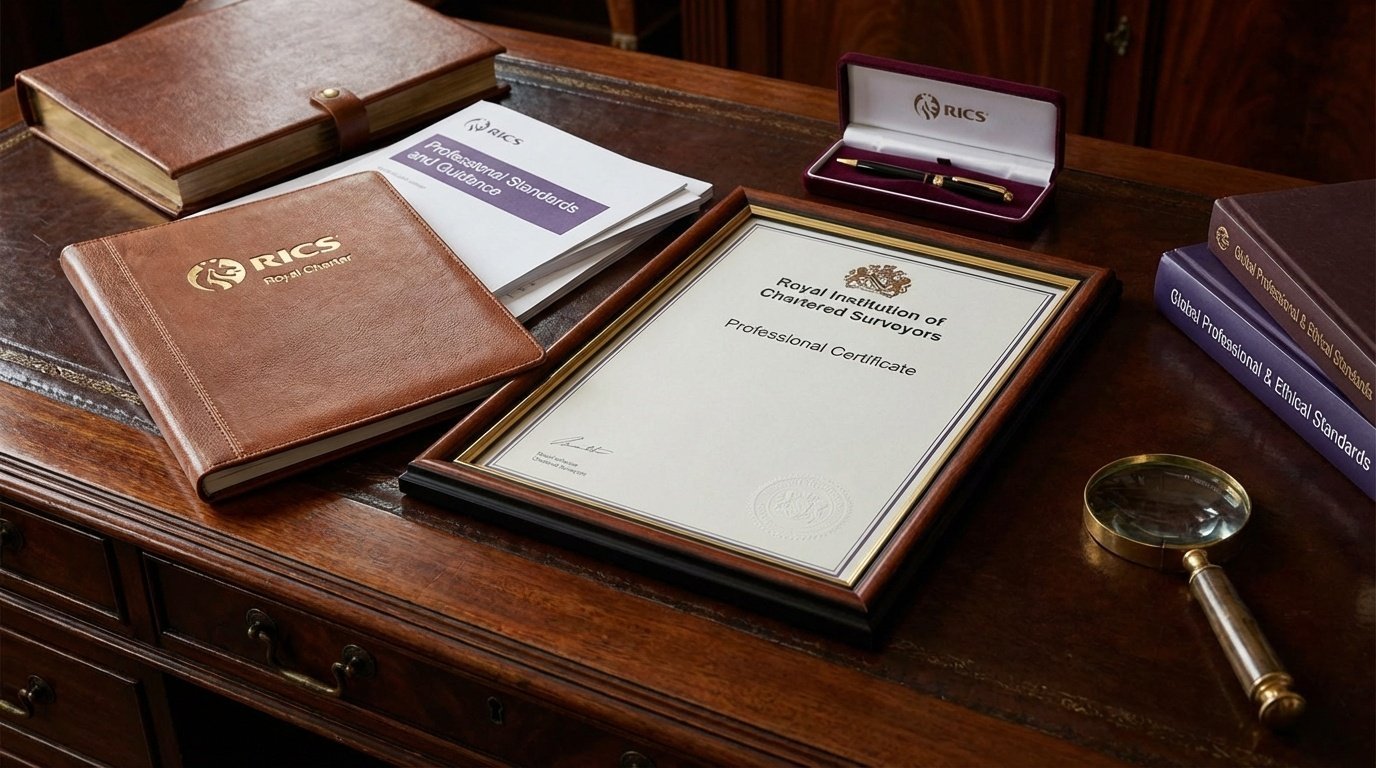
Understanding RICS Expert Witness Accreditation: A Comprehensive Guide
Expert Witness RICS accreditation represents the gold standard in professional credentials for surveyors acting as expert witnesses. The RICS expert witness certificate demonstrates that a surveyor has achieved the highest standards of expertise and professionalism, providing crucial reassurance to parties who instruct expert witnesses in property disputes, tribunal proceedings, and court cases.
In this comprehensive guide, we'll explore everything you need to know about RICS expert witness accreditation, from the certification process to the ongoing professional development requirements. Whether you're a surveyor considering expert witness work or a solicitor looking to instruct an expert, understanding the RICS accreditation framework is essential.
What is RICS Expert Witness Accreditation?
The Royal Institution of Chartered Surveyors (RICS) operates the Expert Witness Accreditation Service (EWAS), which provides a formal accreditation scheme for surveyors who act as expert witnesses. This charter ensures that accredited professionals meet rigorous standards and maintain competency through continuous professional development.
RICS expert witness accreditation is not automatic for RICS members. Surveyors must undergo dedicated training, demonstrate their expertise, and commit to upholding professional standards that go beyond standard RICS membership requirements. The expert witness certificate signifies that the holder has proven their ability to provide expert evidence and understands the unique responsibilities of acting as an expert witness.
Why RICS Accreditation Matters
Since it became possible to sue experts in negligence, the importance of proper accreditation has increased dramatically. Parties who instruct expert witnesses need reassurance that their experts meet high professional standards and carry appropriate insurance. The RICS expert witness certificate provides this assurance.
For surveyors, RICS accreditation demonstrates commitment to professionalism and best practice. It signals to solicitors, courts, and tribunals that you understand your duty to the court and possess the expertise required for complex property disputes. Many solicitors now prefer, or even require, RICS accredited expert witnesses when instructing experts for significant cases.
The Expert Witness Accreditation Service (EWAS)
The Expert Witness Accreditation Service (EWAS) was established by RICS to maintain high standards across the expert witness profession. The service provides reassurance to parties that expert witnesses possess the necessary expertise and professionalism, underpinned by regulation and professional oversight.
Key Features of EWAS
The EWAS framework includes several important components that ensure quality and consistency:
- Formal Assessment: Candidates must demonstrate their knowledge and understanding through a rigorous assessment process
- Dedicated Training: Completion of approved expert witness training courses is mandatory
- Professional Standards: Adherence to RICS practice statements and standards and guidance documents
- Continuous Development: Ongoing CPD requirements to maintain expertise and stay current with legal developments
- Professional Conduct: Commitment to impartiality and duty to the court above all else
- Insurance Requirements: Maintenance of appropriate professional indemnity insurance
The Path to RICS Expert Witness Accreditation
Obtaining RICS expert witness accreditation involves several steps. Understanding the process helps surveyors prepare effectively and demonstrates the rigor of the accreditation to those instructing experts.
Step 1: Meet the Prerequisites
Before applying for RICS expert witness accreditation, surveyors must:
- Hold RICS membership (MRICS or FRICS)
- Have significant experience in their specialist area (typically 5+ years)
- Possess professional indemnity insurance that covers expert witness work
- Demonstrate competency in matters within their expertise
- Understand the legal framework governing expert witnesses
Step 2: Complete Expert Witness Training
The course provides comprehensive preparation for expert witness work. RICS-approved training covers:
- Civil Procedure Rules Part 35: Understanding the legal framework and expert witness obligations under CPR Part 35
- Duty to the Court: The paramount importance of impartiality and truth
- Expert Report Writing: How to structure and present expert reports that meet professional standards
- Cross-Examination: Preparation techniques and strategies for giving evidence under pressure
- Joint Statements: Collaborating with opposing experts to narrow issues
- Professional Ethics: Maintaining integrity and avoiding conflicts of interest
- Practice Statement Compliance: Understanding and applying RICS guidance
Many training providers offer online workshops and online learning modules, making the course accessible to busy professionals. The course tutors typically bring extensive real-world experience of acting as expert witnesses and cross-examination.
Step 3: Application and Assessment
After completing training, candidates submit their application to RICS EWAS. The assessment process evaluates:
- Evidence of professional experience and expertise
- Understanding of expert witness responsibilities
- Knowledge of relevant standards and guidance
- Commitment to ongoing professional development
- Professional references from peers or instructing parties
Some candidates may be required to attend an interview or provide examples of their expert witness work. The assessment ensures that only those who truly understand the role and responsibilities receive accreditation.
Step 4: Maintaining Accreditation
RICS expert witness accreditation is not a one-time achievement. Accredited experts must maintain their status through:
- Annual Renewal: Confirmation of continued adherence to professional standards
- CPD Requirements: Ongoing training and professional development
- Professional Conduct: Maintaining high ethical standards
- Insurance Maintenance: Ensuring adequate coverage remains in place
- Staying Current: Keeping up-to-date with changes in law and practice
Professional Standards and Responsibilities
RICS accredited expert witnesses must comply with comprehensive professional standards. These standards provide the framework that ensures expertise and professionalism for expert witnesses underpinned by regulation.
The Practice Statement for Expert Witnesses
The practice statement sets out the core obligations for RICS expert witnesses:
- Duty to the court or tribunal takes precedence over any obligation to the party paying their fees
- Never oppose the truth or mislead the court
- Provide impartial professional opinion based solely on expertise
- Work within areas of genuine competency
- Declare any conflicts of interest
- Maintain independence and avoid advocacy
Compliance with Civil Procedure Rules Part 35
All RICS accredited expert witnesses must understand and comply with Civil Procedure Rules Part 35, which governs expert evidence in civil proceedings in England and Wales. Key requirements include:
- Expert's overriding duty is to the court, not to the party instructing them
- Expert reports must contain specified information and declarations
- Experts must respond to reasonable written questions
- Experts should participate in discussions with opposing experts
- Joint statements should identify areas of agreement and disagreement
Benefits of RICS Accreditation
RICS expert witness accreditation offers significant advantages for both experts and those who instruct them.
For Expert Witnesses
- Professional Credibility: The certificate demonstrates commitment to highest standards
- Competitive Advantage: Many solicitors prefer accredited experts
- Professional Development: Access to training and resources
- Network: Connection with other accredited professionals
- Quality Assurance: Framework for maintaining expertise
- Insurance Benefits: Some insurers offer better rates for accredited experts
For Those Instructing Expert Witnesses
- Reassurance: Confidence that the expert meets rigorous standards
- Quality: Consistent, professional service delivery
- Credibility: Enhanced credibility with courts and tribunals
- Risk Management: Reduced risk of expert failure
- Professional Standards: Experts bound by clear ethical framework
Areas of Expertise Covered
RICS expert witness accreditation covers experts across a wide range of property and construction disciplines:
- Building Surveying: Defects, party walls, dilapidations
- Valuation: Property valuations for various purposes
- Quantity Surveying: Construction costs and disputes
- Planning: Development and planning matters
- Property Management: Service charges, management disputes
- Residential Property: Homebuyer surveys, residential disputes
- Commercial Property: Lease disputes, commercial valuations
Experts must clearly define their areas of competency and only accept instructions for matters within their expertise. This ensures that parties receive advice from truly qualified professionals.
The Impact of Expert Immunity Changes
A landmark legal decision made it possible to sue experts in negligence, fundamentally changing the expert witness landscape. Previously, expert witnesses enjoyed immunity from negligence claims. This immunity was removed to ensure accountability.
This change has made RICS accreditation even more valuable. Accredited experts demonstrate they understand their responsibilities and maintain appropriate insurance. The rigorous standards help protect both experts and the parties who instruct expert witnesses.
Expert Witness Referral Service
RICS operates an expert witness referral service that helps solicitors and parties find RICS accredited expert witnesses. This service provides access to a directory of qualified professionals across various specialisms, making it easier to instruct expert witnesses who meet the required standards.
Consultation and Continuous Improvement
RICS regularly reviews its expert witness framework through consultation with stakeholders, including the judiciary, solicitors, and expert witnesses themselves. This ensures the accreditation remains relevant and continues to provide reassurance to all parties in the dispute resolution process.
Conclusion
RICS expert witness accreditation provides essential reassurance to parties who instruct expert witnesses in property disputes. The Expert Witness Accreditation Service (EWAS) maintains high standards of expertise and professionalism, underpinned by regulation and continuous professional development.
For surveyors, obtaining the RICS expert witness certificate demonstrates commitment to professionalism and best practice. The accreditation process ensures experts understand their duty to the court, possess necessary expertise, and maintain the professional standards required for this demanding role.
As expert witness work becomes increasingly specialized and the legal framework more complex, RICS accreditation will remain the gold standard. Whether you're a surveyor considering expert witness work or a solicitor looking to instruct an expert, understanding the value and requirements of RICS accreditation is essential.
At Expert Witness RICS, all our team members hold the RICS accredited expert witness certificate, ensuring you receive the highest quality expert evidence for your property dispute. We maintain our expertise through dedicated training, follow best practice in all our work, and never compromise on our duty to the court.
Need a RICS Accredited Expert Witness?
Our team of RICS accredited expert witnesses provides professional support for property disputes, tribunals, and court proceedings across the UK.
Contact Us TodayRelated Articles
Civil Procedure Rules Part 35: Complete Guide for Expert Witnesses
Understand the legal framework and CPR Part 35 compliance requirements governing expert witness work in civil proceedings.
Expert Witness Report Writing: Best Practice Guide
Learn expert report writing best practices and how to prepare court-ready documentation that complies with professional standards.
Surviving Cross-Examination: Essential Tips for Expert Witnesses
Essential cross-examination preparation tips and courtroom strategies for expert witnesses giving evidence.